
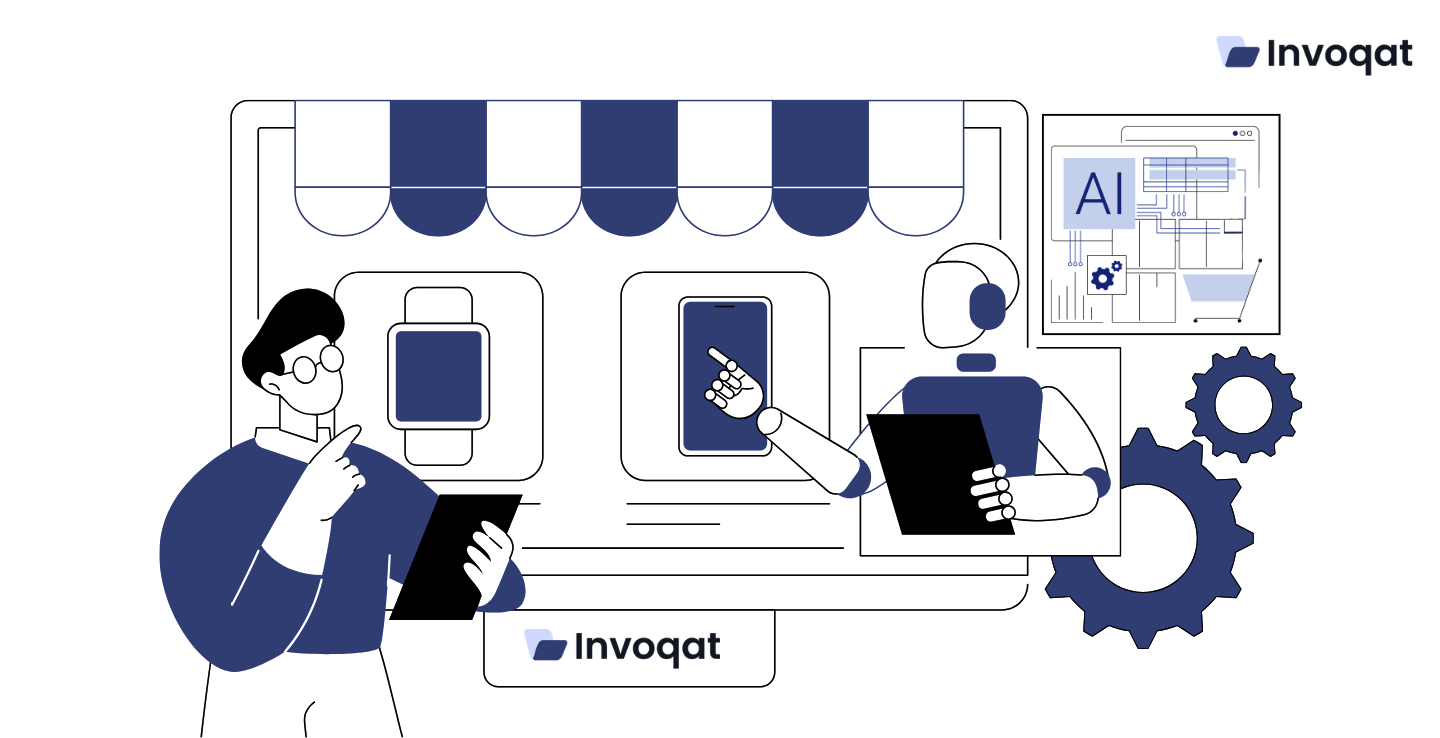
Why Manual Dispatching Is Becoming Harder to Manage
Field service operations rarely unfold exactly as planned.
A technician finishes late. Traffic slows an important appointment. A customer requests urgent support. Meanwhile, another job suddenly requires a different skill set. As a result, dispatch teams often spend the day reacting instead of managing proactively.
For years, manual dispatching worked reasonably well for smaller operations. Experienced coordinators relied on phone calls, spreadsheets, whiteboards, and personal knowledge to keep technicians moving. However, service environments have become much faster and more complex.
This is exactly why How AI Agents Replace Manual Dispatching in Field Service Operations has become such an important conversation.
Modern field service businesses need faster scheduling decisions, better technician coordination, stronger customer communication, and real-time operational visibility. Consequently, many organizations are adopting AI-powered dispatching systems that automate repetitive coordination work while helping teams make smarter operational decisions.
Companies such as Invoqat support this shift by helping businesses connect field service workflows, inventory visibility, technician activity, asset tracking, and operational reporting into a unified ecosystem. That visibility allows dispatching teams to respond intelligently instead of relying on fragmented systems and delayed information.
In this guide, we will explore:
- Why manual dispatching creates operational bottlenecks
- How AI improves technician scheduling
- The impact of real-time route optimization
- Why inventory visibility matters for dispatching
- How AI improves customer communication
- The future of intelligent field service operations
Manual Dispatching vs AI-Powered Dispatching
Before exploring the transformation, it helps to compare both models clearly.
Manual Dispatching vs AI-Powered Dispatching
| Operational Area | Manual Dispatching | AI-Powered Dispatching |
|---|---|---|
| Technician assignment | Manual coordination and calls | Intelligent real-time matching |
| Route planning | Reactive scheduling | Dynamic route optimization |
| Customer communication | Manual updates | Automated live notifications |
| Schedule changes | Slow manual adjustments | Instant adaptive rescheduling |
| Operational visibility | Limited monitoring | Real-time tracking |
| Scalability | Difficult during growth | Easier workload management |
Why Manual Dispatching Starts Breaking Under Pressure
Manual dispatching does not fail because dispatchers lack expertise.
Instead, it struggles because modern operations move too quickly for human coordination alone.
A dispatcher may assign the wrong technician because schedules changed unexpectedly. Meanwhile, another technician might arrive onsite only to discover the required inventory is unavailable. At the same time, customers may wait longer for updates because dispatch teams are overwhelmed with calls.
Individually, these issues may seem manageable.
Collectively, they create operational friction.
For example, poor dispatching decisions often lead to:
- Increased technician travel time
- Higher fuel costs
- Delayed service resolution
- More overtime
- Scheduling conflicts
- Lower customer satisfaction
- Dispatcher fatigue
Therefore, dispatching has become one of the most operationally sensitive parts of field service performance.
How AI Agents Replace Manual Dispatching in Field Service Operations
AI dispatching does not replace human operational judgment.
Instead, it removes repetitive coordination work that slows decision-making.
That distinction matters.
Traditional dispatchers often ask:
Who is available right now?
AI systems ask a smarter question:
Who is the best technician for this exact job at this exact moment?
To answer that, AI evaluates multiple live variables, including:
- Technician availability
- Skill certifications
- Traffic conditions
- Customer priority
- Inventory readiness
- Geographic proximity
- Service history
- Job urgency
Because AI processes this information instantly, dispatch decisions become faster and more accurate.
Intelligent Technician Assignment Improves First-Time Fix Rates
Traditional dispatching often depends heavily on experience.
An experienced dispatcher may remember:
- Which technician handles specialized equipment
- Who works best with difficult customers
- Which areas become traffic bottlenecks
- Who prefers commercial versus residential work
Although experience remains valuable, relying entirely on memory becomes risky as service teams grow.
AI solves this problem by organizing technician intelligence automatically.
As a result, businesses benefit from:
- Better technician-job matching
- Improved first-time fix rates
- Reduced repeat visits
- More balanced technician workloads
- Faster service response
Interestingly, technicians often appreciate this improvement because better assignments reduce frustration.
Real-Time Route Optimization Reduces Daily Chaos
Traffic quietly destroys field service schedules.
One delayed appointment can disrupt the entire day.
Traditionally, dispatchers react after delays occur.
However, AI systems monitor live conditions continuously.
This includes:
- Traffic congestion
- Road closures
- Weather disruptions
- Job completion times
- Emergency requests
- Technician movement
Consequently, routes adjust automatically.
If a technician finishes early, nearby assignments can be reassigned intelligently.
Similarly, if a high-priority emergency appears, the system recalculates schedules while minimizing disruption elsewhere.
Because adjustments happen in real time, operational resilience improves dramatically.
Operational Benefits of AI Dispatching
| Business Challenge | AI-Powered Improvement |
|---|---|
| Missed appointments | Better scheduling accuracy |
| Excess travel time | Dynamic route optimization |
| Dispatcher overload | Automated coordination |
| Customer frustration | Faster communication |
| Scheduling conflicts | Real-time adjustments |
| Repeat service visits | Smarter technician matching |
| Limited visibility | Live operational monitoring |
AI Improves Customer Communication Automatically
Customers rarely care how dispatching works internally.
They care about outcomes.
Specifically, customers expect:
- Accurate arrival times
- Clear communication
- Faster service
- Reliable updates
Unfortunately, manual communication often breaks during busy periods.
Dispatch teams may intend to provide updates, but operational pressure causes delays.
AI improves this through automation.
Modern systems can send:
- Appointment confirmations
- Live ETA notifications
- Delay alerts
- Service completion confirmations
- Feedback requests
As a result, customers remain informed without placing extra pressure on dispatch teams.
Moreover, better communication improves trust.
Why Real-Time Data Matters in AI Dispatching
AI only performs well when connected to reliable operational data.
Without real-time visibility, automation becomes guesswork.
That is why connected systems matter so much.
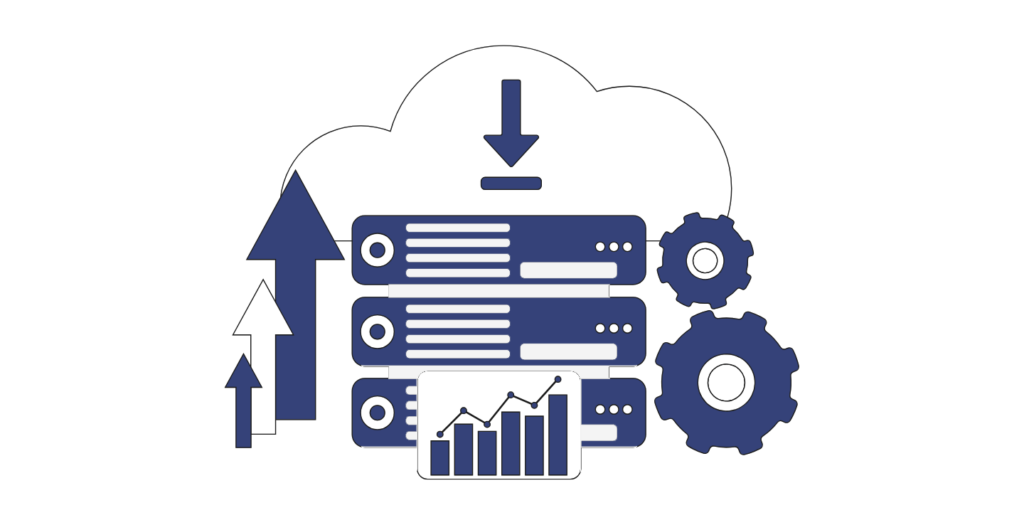
Solutions such as Invoqat Field Services help businesses connect:
- Technician activity
- Inventory visibility
- Asset tracking
- Work order workflows
- Service reporting
- Operational analytics
Because all systems update together, dispatch decisions become far more intelligent.
This shift reflects a larger industry trend.
Field service businesses are moving away from disconnected spreadsheets toward unified operational ecosystems.
AI Also Improves Technician Work Experience
This benefit often receives less attention.
Field technicians deal with daily operational stress, including:
- Unrealistic schedules
- Poor routing
- Missing inventory
- Incomplete service information
- Last-minute assignment changes
Over time, these issues affect morale.
AI-powered coordination improves technician experience by creating:
- Better organized schedules
- More realistic appointment timing
- Reduced unnecessary travel
- Stronger job preparation
- Less operational confusion
Consequently, technicians can focus more on service delivery instead of logistical frustration.
Inventory Coordination Prevents Expensive Delays
Inventory problems create surprisingly expensive service disruptions.
A technician may arrive onsite only to discover a required part is unavailable.
That single issue can create multiple consequences:
- Delayed repair completion
- Additional customer frustration
- Repeat site visits
- Increased travel costs
- Lower technician productivity
Manual dispatching often struggles because inventory systems remain disconnected.
AI-integrated dispatching improves coordination by validating:
- Parts availability
- Asset history
- Required equipment
- Technician readiness
- Work order details
before assignments are confirmed.
Therefore, service execution becomes much smoother.
Inventory Visibility and Dispatch Coordination
| Operational Factor | Traditional Dispatching | AI-Integrated Dispatching |
|---|---|---|
| Inventory checks | Manual verification | Automated validation |
| Work order updates | Delayed reporting | Live synchronization |
| Technician preparation | Partial visibility | Complete job context |
| Asset tracking | Limited insight | Real-time monitoring |
| Service coordination | Disconnected systems | Unified workflows |
Future Trends in AI-Powered Field Service Operations
AI dispatching is only the beginning.
Field service operations are moving toward increasingly predictive models.
Emerging trends include:
- Predictive maintenance scheduling
- AI workforce forecasting
- IoT-connected asset monitoring
- Automated job prioritization
- Intelligent workload balancing
- Predictive service demand analysis
Furthermore, customer expectations will continue rising.
Businesses that modernize early will adapt far more easily than organizations relying entirely on reactive coordination.
Common Challenges During AI Adoption
AI offers significant advantages.
However, implementation still requires planning.
Data Quality Problems
AI depends on reliable operational information.
Poor data reduces scheduling accuracy.
Therefore, businesses must improve data governance.
Change Management Resistance
Employees may initially hesitate to trust automation.
This is understandable.
However, phased implementation and proper training usually improve adoption.
Integration Complexity
AI works best when connected to:
- CRM systems
- Inventory platforms
- Asset management tools
- Technician mobile applications
- Customer communication systems
Disconnected systems reduce AI effectiveness significantly.
Final Thoughts
Field service operations have become too fast-moving for manual dispatching alone to manage comfortably at scale.
Traditional dispatching still works in smaller environments. However, complexity increases quickly as service volume grows, customer expectations rise, and operational coordination becomes more demanding.
This is why How AI Agents Replace Manual Dispatching in Field Service Operations has become such a relevant business discussion.
AI-powered dispatching improves:
- Technician assignment
- Route planning
- Customer communication
- Inventory coordination
- Real-time visibility
- Operational responsiveness
Importantly, AI does not remove human expertise.
Instead, it reduces operational noise so teams can make better decisions with less stress.
Companies such as Invoqat continue helping businesses modernize field service operations through connected platforms that unify workflows, visibility, and operational coordination.
Ultimately, AI dispatching is not about replacing people.
It is about helping capable teams work faster, smarter, and with greater clarity.
Frequently Asked Questions
AI dispatching uses intelligent systems to assign technicians, optimize routes, manage schedules, and improve coordination using real-time operational data.
AI evaluates technician availability, skills, traffic, inventory readiness, and job urgency to recommend the best assignment automatically.
Yes. AI reduces downtime by improving technician assignment, minimizing travel inefficiencies, and preventing inventory-related delays.
No. AI reduces repetitive coordination work while allowing dispatch teams to focus on higher value operational decisions.
Because dispatching decisions fail when technicians arrive without required parts or incomplete service information.
