
Introduction: When Data Exists but Clarity Does Not
If you have ever managed inventory, you already understand one thing there is no shortage of data. Stock levels, supplier timelines, order volumes, and delivery schedules are constantly being updated.
However, despite all this information, clarity often remains out of reach.
You may find yourself asking:
Are we improving, or simply reacting to problems as they arise?
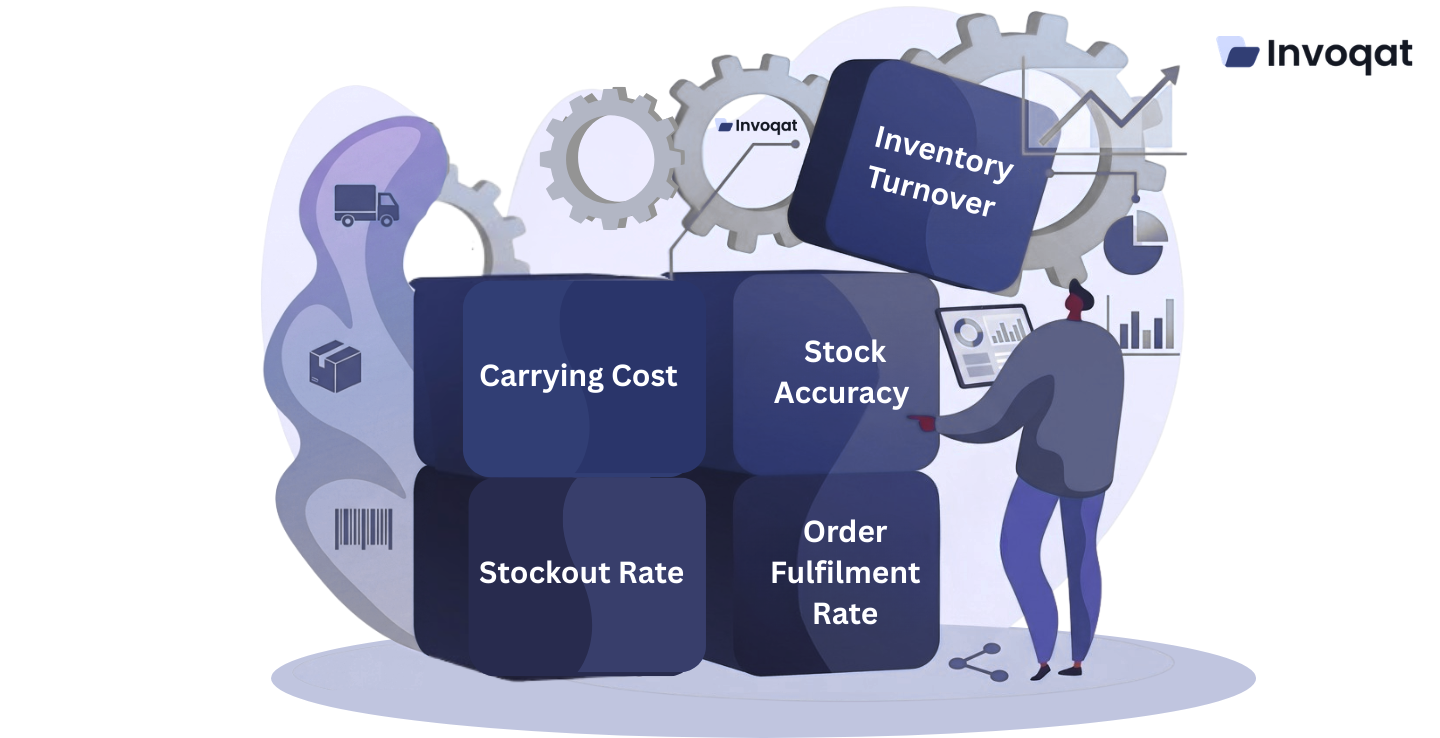
This is exactly where Key Inventory KPIs Every Business Should Track becomes essential. Instead of relying on scattered numbers, KPIs provide a structured way to measure performance and guide decisions.
More importantly, they transform raw data into meaningful insights.
Overview of Key Inventory KPIs
| KPI | What It Measures | Why It Matters |
|---|---|---|
| Inventory Turnover | Frequency of stock movement | Indicates efficiency |
| Stock Accuracy | System vs actual stock match | Reduces operational errors |
| Order Fulfilment Rate | On-time, correct deliveries | Impacts customer satisfaction |
| Carrying Cost | Cost of holding inventory | Affects profitability |
| Stockout Rate | Frequency of stock shortages | Reveals demand gaps |
What Are Inventory KPIs?
Inventory KPIs are measurable metrics that help businesses evaluate how effectively they manage stock.
Rather than relying on assumptions, these indicators answer practical questions:
- Are we holding too much inventory?
- Are we running out of stock too often?
- Are orders being fulfilled efficiently?
As a result, businesses gain a clearer understanding of both operational performance and financial impact.
Why Inventory KPIs Matter
Inventory management directly influences both cost control and customer experience.
For example:
- Excess stock increases storage costs
- Insufficient stock leads to missed sales
Therefore, KPIs help businesses maintain balance by:
- Improving decision-making
- Reducing waste
- Optimizing stock levels
- Enhancing customer satisfaction
However, the goal is not to track everything. Instead, it is to focus on the metrics that truly matter.
Key Inventory KPIs Every Business Should Track
Let’s explore the most important KPIs in a practical and actionable way.
1. Inventory Turnover Ratio
This KPI measures how frequently inventory is sold and replaced within a given period.
- High turnover → Efficient stock movement
- Low turnover → Excess or slow-moving stock
Consequently, it directly impacts cash flow and storage costs.
2. Stock Accuracy Rate
Stock accuracy compares recorded inventory with actual physical stock.
For instance:
- System shows 100 units
- Actual count is 80 units
This gap creates operational risks.
Therefore, maintaining high accuracy is critical because all decisions depend on reliable data.
3. Order Fulfilment Rate
This KPI tracks how many orders are delivered correctly and on time.
- High rate → Efficient operations
- Low rate → Process or stock issues
From a customer perspective, this is one of the most visible indicators of performance.
4. Carrying Cost of Inventory
Carrying cost includes expenses such as:
- Warehousing
- Insurance
- Handling
Although often overlooked, this KPI has a direct impact on profitability.
Holding excess inventory may seem safe, but over time, it increases financial pressure.
5. Stockout Rate
Stockout rate measures how often items are unavailable when needed.
Frequent stockouts indicate:
- Poor demand forecasting
- Inefficient stock planning
Even a single stockout can result in lost sales and reduced customer trust.
6. Days Sales of Inventory (DSI)
This KPI shows how long inventory takes to convert into sales.
- Lower DSI → Faster sales
- Higher DSI → Slow-moving stock
Therefore, it helps businesses understand how efficiently inventory generates revenue.
KPI Impact on Business Performance
| KPI | High Performance Impact | Low Performance Impact |
|---|---|---|
| Inventory Turnover | Faster cash flow | Overstock issues |
| Stock Accuracy | Reliable decisions | Frequent errors |
| Fulfilment Rate | Customer satisfaction | Delays and complaints |
| Carrying Cost | Cost control | Reduced margins |
| Stockout Rate | Stable sales | Missed opportunities |
How to Use KPIs Effectively
Tracking KPIs alone is not enough. The real value comes from using them to drive action.
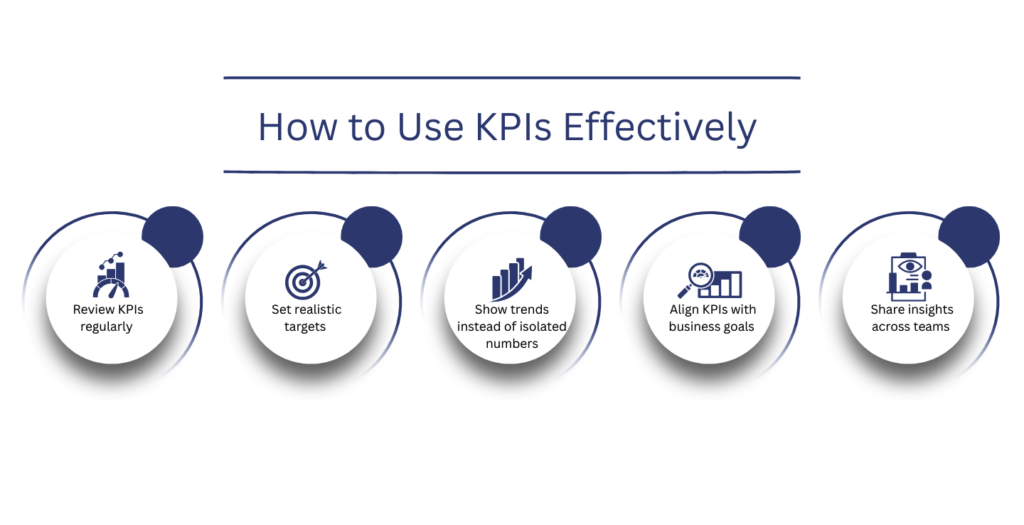
To get the most out of KPIs:
- Review them consistently
- Set realistic targets
- Focus on trends, not isolated numbers
- Align metrics with business goals
- Share insights across departments
Interestingly, many teams collect data but fail to act on it. Therefore, interpretation is just as important as measurement.
Before vs After KPI Implementation
| Metric | Before KPI Tracking | After KPI Tracking |
|---|---|---|
| Stock Accuracy | 75% | 95% |
| Order Fulfilment | 70% | 92% |
| Inventory Turnover | Low | Optimized |
| Stockouts | Frequent | Occasional |
Common Mistakes to Avoid
Even with KPIs in place, businesses often encounter avoidable issues:
- Tracking too many metrics without focus
- Ignoring data inconsistencies
- Failing to update KPIs regularly
- Not acting on insights
- Relying on outdated systems
Therefore, simplicity and consistency often lead to better outcomes.
The Role of Technology in KPI Tracking
As businesses grow, manual tracking becomes difficult to maintain.
At this stage, digital solutions become essential.
Platforms like Invoqat help organizations:
- Track inventory in real time
- Improve data accuracy
- Generate actionable insights
- Connect inventory data across systems
As a result, teams gain better visibility and control without added complexity.
Final Thoughts: From Data to Decisions
Inventory KPIs shift businesses from reactive management to proactive planning.
Instead of guessing, teams rely on measurable insights that reflect actual performance.
Over time, this leads to:
- Better control
- Fewer surprises
- Improved profitability
Organizations working with solutions like Invoqat often find it easier to implement these practices because the focus remains practical and user-friendly.
Ultimately, success comes down to one simple idea:
Track what matters, understand it clearly, and act on it consistently.
Frequently Asked Questions
They are measurable metrics used to evaluate how effectively inventory is managed.
They improve decision-making, reduce costs, and enhance customer satisfaction.
Ideally, KPIs should be reviewed regularly weekly or monthly depending on operations.
Stock accuracy is critical because all other decisions depend on reliable data.
Yes. In fact, smaller businesses often see faster improvements because inefficiencies become visible quickly.
