
A Quiet Shift in Asset Tracking
Something important is changing in how businesses manage assets. At first, it may not seem obvious. However, across industries like logistics, healthcare, and construction, the shift is becoming clearer.
The future of asset tracking in 2026 is not just about better technology. Instead, it is about smarter systems that support decision-making in real time.
More importantly, asset tracking is not only about equipment. It directly affects people. A delayed shipment impacts customers. A missing tool slows operations. An unnoticed fault increases risk.
This is where companies like Invoqat are contributing to change. Their focus is moving asset tracking from passive monitoring to intelligent, action-driven systems.
How Asset Tracking Has Evolved
| Phase | What It Looked Like | What Was Missing | What Changed |
|---|---|---|---|
| Early Stage | Manual logs, barcodes | Accuracy | Basic control |
| Growth Stage | RFID, GPS tracking | Flexibility | Real-time location |
| Recent Years | IoT-enabled systems | Clarity | Smart monitoring |
| 2026 Direction | AI-driven systems | Integration depth | Intelligent decisions |
Clearly, asset tracking has moved from simple tracking to intelligent insight.
What Is Asset Tracking?
Asset tracking refers to monitoring the location, condition, and usage of physical assets using technology.
In simple terms:
- It shows where assets are located
- It tracks how they are used
- It collects data using sensors and systems
- It reduces manual effort
- It improves decision-making
As a result, businesses gain better control and visibility.
AI Is Becoming a Decision-Making Partner
Artificial intelligence is no longer just a support tool. Instead, it plays a more active role in asset tracking.
Key benefits of AI in asset tracking:
- Predicts equipment issues early
- Identifies delays before they occur
- Detects wear and performance changes
- Reduces unexpected failures
Therefore, businesses shift from reactive to proactive operations.
Interestingly, AI works quietly in the background. It highlights issues before they escalate, much like an experienced team member.
IoT Sensors Are Transforming Visibility
IoT sensors continuously collect real-time data from assets.
What IoT enables:
- Live tracking of asset conditions
- Monitoring of temperature and vibration
- Early detection of faults
- Continuous operational insights
As a result, assets become more transparent and easier to manage.
Transparency Is Now Essential
Today, businesses expect complete visibility into asset history and movement.
Why transparency matters:
- Builds trust in data
- Reduces uncertainty
- Supports compliance requirements
- Improves decision accuracy
In many cases, technologies like blockchain enhance this transparency by ensuring data integrity.
Key Technologies Shaping Asset Tracking
| Technology | Function | Business Value | Industry Use |
|---|---|---|---|
| AI | Predictive analysis | Reduces risk | Logistics |
| IoT | Real-time monitoring | Prevents loss | Healthcare |
| Blockchain | Secure records | Improves trust | Supply chain |
| 5G | Faster connectivity | Speeds decisions | Infrastructure |
Each technology contributes to a more connected ecosystem.
5G Is Accelerating Decision-Making
With faster connectivity, 5G enables instant data transfer.
Benefits of 5G in asset tracking:
- Real-time updates
- Faster communication between systems
- Reduced delays
- Improved responsiveness
Consequently, operations become smoother and more efficient.
Digital Twins Enable Smarter Planning
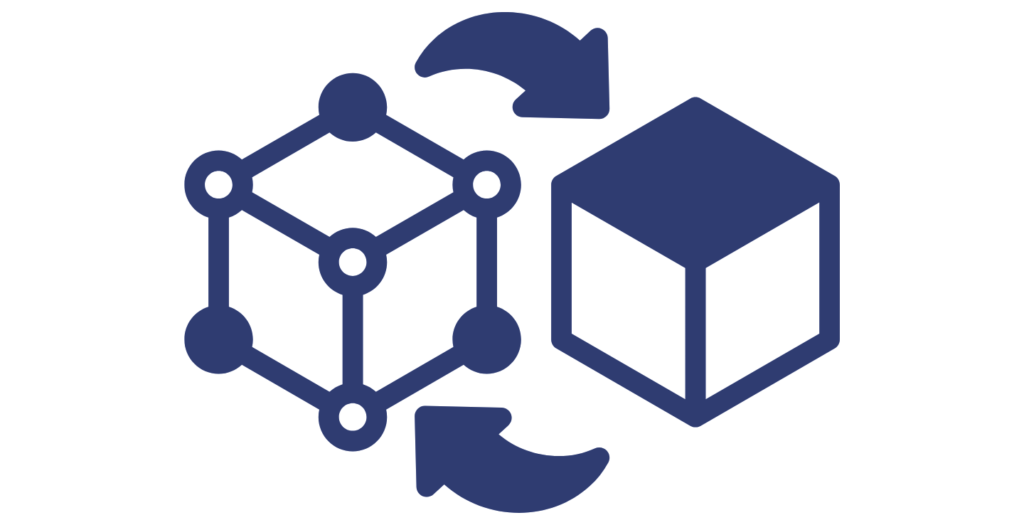
A digital twin is a virtual model of a physical asset.
Key advantages:
- Simulates real-world scenarios
- Tests decisions before implementation
- Reduces operational risks
- Improves long-term planning
Therefore, businesses can make more informed decisions with less uncertainty.
Edge Computing Improves Speed and Efficiency
Edge computing processes data closer to where it is generated.
Why it matters:
- Reduces latency
- Speeds up responses
- Improves system performance
- Supports real-time operations
As a result, businesses gain faster and more reliable insights.
Challenges Businesses Still Face
Despite advancements, some challenges remain.
Common challenges include:
- Data security concerns
- Integration with legacy systems
- Initial investment costs
- Compliance requirements
However, these challenges can be managed with proper planning and strategy.
How Businesses Are Adapting
| Step | Action | Benefit |
|---|---|---|
| Evaluate systems | Identify gaps | Clear direction |
| Invest in technology | Choose scalable tools | Long-term value |
| Train teams | Improve adoption | Better performance |
| Monitor results | Adjust processes | Continuous improvement |
Therefore, success depends on both technology and execution.
The Role of Invoqat in Asset Tracking
Invoqat helps businesses implement practical asset tracking solutions.
Their approach focuses on:
- Real-time visibility
- Intelligent decision support
- Seamless system integration
- Operational efficiency
As a result, organizations gain clarity and confidence in their operations.
Conclusion: A Future Built on Visibility and Intelligence
The future of asset tracking in 2026 is not about dramatic change. Instead, it is about steady improvement.
Businesses are moving from uncertainty to clarity. They are replacing guesswork with data-driven decisions.
Moreover, systems are becoming more intuitive. They not only track assets but also guide actions.
Over time, this shift will become standard. What feels innovative today will soon feel necessary.
Ultimately, better visibility leads to better decisions and better decisions drive long-term success.
Frequently Asked Questions
The future involves AI, IoT, and real-time systems that provide predictive insights and improve decision-making.
AI analyzes data patterns to predict failures, detect anomalies, and support proactive maintenance.
They provide continuous real-time data about asset condition and performance.
A digital twin is a virtual model used to simulate and test real-world scenarios before implementation.
Yes. Even simple tracking systems improve visibility, efficiency, and decision-making.
